Kesko updated its packaging policy: The packaging of Pirkka products will contain more renewable and recyclable materials
11.08.2025
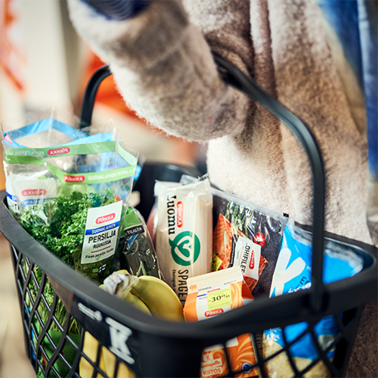
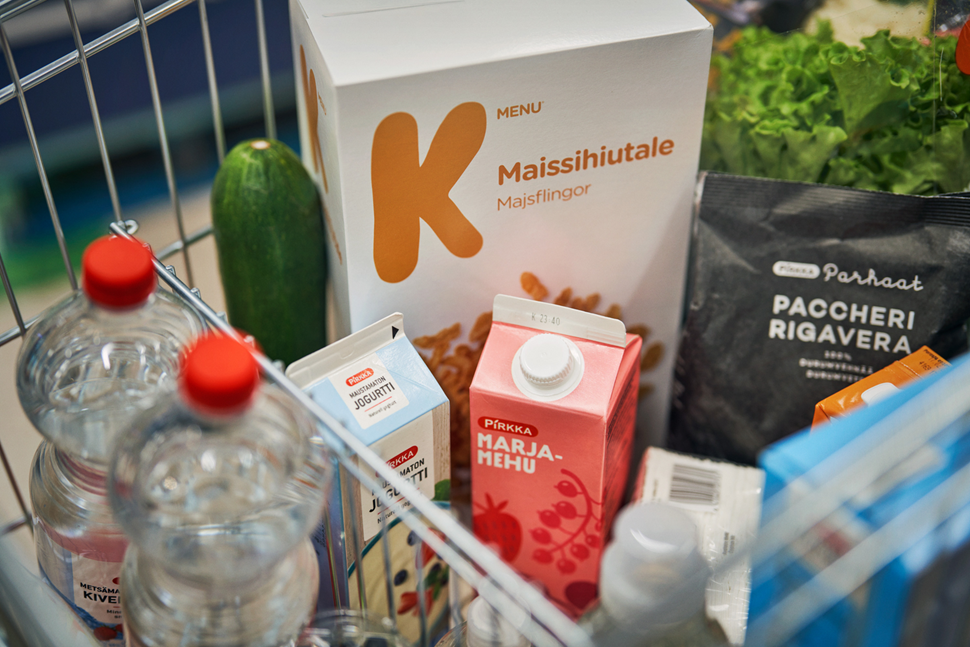
Kesko is improving the sustainability and recyclability of the materials used in the packaging of its own brands. Own brand products – such as Pirkka, Pirkka Parhaat and K-Menu, as well as Kespro’s Menu and the building and home improvement stores’ Cello – will increasingly have paperboard or corrugated cardboard packaging.
The updated packaging policy sets new objectives for the packaging of Kesko’s own brands in all divisions. These familiar own brands include the grocery stores’ Pirkka, Pirkka Parhaat and K-Menu brands and the building and home improvement stores’ Cello brand.
“We combined our plastics policy from 2018 and our packaging policy from 2020 into one new packaging policy. At the same time, we set new objectives for the packaging used for our own brands and for the packaging used in our own production and warehouses. In practice, this means we will reduce the amount of packaging material used, increase the use of renewable materials and improve the recyclability of packaging,” says Noomi Jägerhorn, Kesko’s Vice President of Sustainability.
Kesko will increasingly favour renewable materials, such as paperboard, paper and corrugated cardboard, in the packaging of its own brands. The use of packaging made from recycled plastic and paperboard will be increased.
“In the design of packaging renewals, it is important to remember that the most important function of packaging is to protect the product. Food that is properly packaged remains safe and edible for longer and food waste is avoided,” Jägerhorn points out.
Kesko’s new packaging objectives are:
Kesko’s own brand packaging, as well as the packaging used in its own production (Kespro’s Kalatukku E. Eriksson and Reinin liha) and warehouses, will be recyclable or reusable by the end of 2029.
Wood-based single-use packaging used in own production and warehouses will be FSC or PEFC certified or made from recycled material by the end of 2029.
The plastic used in the packaging of Kesko’s own brand products has already been replaced with recycled plastic, or cardboard is used instead. The packaging of around 300 own brand products sold by Kesko’s grocery stores (K-food stores and Kespro) was renewed between 2020 and 2024. The amount of plastic used in own brand packaging was reduced by 603 tonnes over the same period. This amount corresponds to 29 million Pirkka recycled plastic bags.
Upcoming new legislation
Legislation also aims to reduce the amount of packaging waste and improve the recyclability of packaging.
The aim of the EU Packaging and Packaging Waste Regulation (2025/40) is to reduce the amount of packaging waste, improve the recyclability of packaging, increase reusable solutions and harmonise legislation across the EU. By 2030, all packaging placed on the market must be recyclable and meet EU requirements for recyclability. The Regulation mandates the use of recycled materials in plastic packaging.

 YES
YES
 NO
NO